- Water is coming through my condo ceiling. Is it my problem?
Usually not the origin of it. Water entering from above started above — in the unit overhead or in a shared vertical stack. Much of North Naples is stacked construction, including the high-rise condominiums built through the planned-community era (Naples ED, 2026), so the source is often outside your unit even though the damage is inside it.
- Who do I call first in a condo emergency?
Both, in parallel. A plumber can stop and diagnose what is reachable; the association or property manager controls access to the unit above and to common-element stacks. Calling only one of the two is what turns a contained leak into a long one.
- Why is North Naples different from a house call?
Ownership. In a detached house every pipe is the owner's. North Naples was built largely as planned communities and condominiums from the 1970s onward (Larry Roorda Realtor, 2026), so responsibility is split between unit owner and association, and the split decides who pays for the repair.
- What do you do in the first ten minutes in a condo?
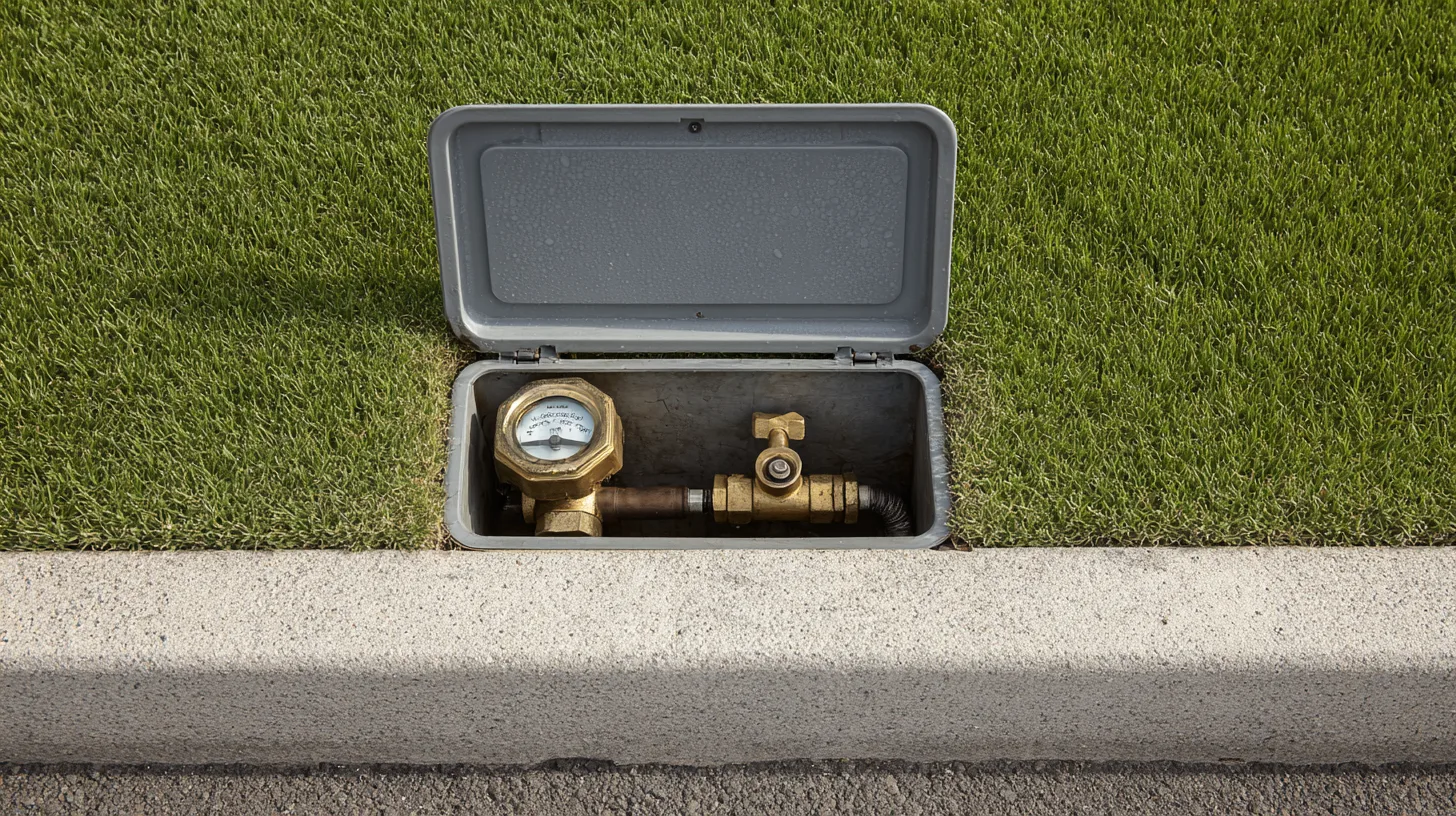
Stop the water reaching your unit, which usually means acting on two fronts at once. Close your own isolation valve if the source is inside your unit — many condominiums have one per unit rather than only a building main. Then contact the association or property manager immediately, because if the water is arriving from above you cannot stop it and they control access to the unit that can. Move what can be moved and photograph what cannot. The single most useful thing to know in advance is whether your unit has its own isolation valve and where it is, because that answer determines whether you have any control at all in those ten minutes.
- Who pays for the damage in a stacked building?
It depends on where the failure originated, and that is frequently different from where the damage appears. A failure inside another unit is generally that owner's responsibility; a failure in a shared vertical stack is usually the association's, because the stack is a common element rather than any resident's. Your own contents and interior finishes typically fall to your policy regardless, with recovery pursued afterwards. That is why documentation in the first hour matters so much — photographs with timestamps, and a record of who was notified and when, are what a recovery claim rests on once everyone's insurers become involved.
- Why does the lowest unit flood when it did not cause it?
Because a restriction in a shared drainage stack relieves at the lowest available opening, and plumbing does not care about fault. Waste and water back up until they find the first place to escape, which is the lowest fixture connected to that stack. The unit that suffers the damage is therefore decided by the building's geometry rather than by whose use created the problem. That single fact is why camera evidence carries disproportionate weight in a multi-unit building: establishing where the blockage actually sits is the only way to separate the party who was damaged from the party responsible.
- What should a resident know before anything happens?
Four things. Whether the unit has its own water isolation valve and where it is. Who to contact out of hours for the association or management company. Whether your policy covers interior finishes and contents, and what the deductible is. And which fixtures in your unit are lowest, because those are where a stack problem will present first. None of that takes long to establish and all of it is genuinely difficult to work out at midnight with water coming through a ceiling. In a building where most residents have never located their own shutoff, knowing yours is a real advantage.
- Does a high-rise behave differently from a low-rise?
Yes, in two ways that matter during an incident. Height means more units on a single stack, so a restriction affects more people and relieves further down — the lowest unit on a fifteen-story stack is carrying the consequences of everything above it. Height also means pressure zones and frequently booster equipment, so a supply-side failure can affect a band of floors rather than the whole building. In a low-rise the picture is simpler and the affected group is smaller. Neither is worse to live in; they fail on different scales, and the response arrangements a building needs should reflect which it is.
- What about seasonal occupancy in a condominium?
It compounds every problem on this page. A building where a substantial share of units stands empty for months has fewer people to notice a developing leak, and traps in unused units dry out and admit sewer gas into the common corridors. It also means a failure in an empty unit can run for a long time before anyone opens the door, with the damage spreading downward into occupied units below. Buildings that handle this well have an arrangement for periodic checks of vacant units, and residents who close their own isolation valve when they leave. Both are simple and neither is universal.
- What should the association have arranged in advance?
An out-of-hours contact route that residents actually know, access arrangements for entering a unit in an emergency, and a contractor relationship with agreed rates including the after-hours multiplier — since emergency work runs 1.5 to 2 times standard on a weeknight and higher at weekends (Nearby Hunt, 2026). Beyond that, a valve map showing every isolation point in the building, and confirmation that those valves actually turn. Most of the avoidable cost in a multi-unit incident is decision latency and search time rather than labor rate, and both are addressable before anything happens.
- Is a leak from above always the other unit's fault?
No, and assuming so is how neighbours fall out unnecessarily. Water arriving from above originated above, but the source may be a shared stack running through that unit rather than anything the resident did or owns. It may also be a building element — a riser, a valve, a connection that is a common element passing through private space. That distinction is exactly what a camera or an inspection establishes, and it is worth establishing before anyone is blamed. The damage is real either way; the responsibility is a separate question with a factual answer.
- What if the unit above is empty and unreachable?
This is the scenario that turns a contained leak into a substantial one, and it is common in a market with this much seasonal occupancy. Your own isolation valve does nothing, because the water is not on your supply. The association or management company generally holds emergency access rights for exactly this situation, which is why contacting them ranks alongside calling a plumber rather than after it. In the meantime, containment is what you can control: buckets, moving contents, and turning off electrical circuits in the affected area. Documenting the timeline matters here more than usual, because the delay in gaining access frequently becomes part of the claim.
- Should you turn off the building's main?
Almost never, and not without authority. Closing a building main removes water from every unit including ones with no problem, and in a residential building that affects people who cannot be consulted quickly. It may also affect fire suppression provision depending on the arrangement, which is a serious consideration rather than an inconvenience. The correct escalation is your own unit valve first, then the association or manager who can make a building-wide decision. The exception is a genuinely uncontrolled flood where nobody with authority can be reached, and even then it is a decision to make deliberately rather than reflexively.
- How does this compare with a detached house?
In a house every pipe on the property is yours, the shutoff is yours, and the only question during an emergency is what failed. In a stacked building the pipes are shared, the shutoff may not control the source, and the first question is whose plumbing it is. That inverts the response: in a house you act and then diagnose, while in a building you frequently have to establish jurisdiction before you can act at all. It is genuinely a different situation rather than the same situation at a larger scale, and preparing for it means knowing the ownership structure rather than just the plumbing.
- What should you photograph, and when?
Everything, before anything is moved, and with the time visible. Standing water and its extent. Ceilings, walls and floors showing where it entered and how far it travelled. Contents affected, individually where they are valuable. The source if it is visible and safe to approach. And a wide shot of each room establishing context, because close-ups of damage without context are hard to interpret months later. Two minutes of photographs taken before cleanup is worth considerably more than an hour of description afterwards, and in a multi-unit building where several parties' insurers become involved it is frequently the only contemporaneous record anyone has.
- How long does access to another unit usually take?
It varies enormously and that variance is the problem rather than the average. A resident at home answers immediately. An owner reachable by phone can authorise entry quickly. An absent seasonal owner with no local contact and an association that has never rehearsed emergency access can take hours. That range is exactly why the association's arrangements matter more than the plumber's response time in this building type — the plumber cannot start until the source is reachable, and no amount of dispatch speed changes that. It is a governance question that presents as a plumbing one.
- What are the most common emergencies in this building type?
Supply connector failures under sinks and behind appliances lead the list, because they are pressurised continuously and fail at the ferrule without warning. Water heater failures come second, and in a stacked building a tank in a closet can affect several floors before anyone notices. Shared stack blockages are third and are the ones that damage the wrong resident. Fourth are seasonal-absence failures — a leak in an empty unit running for weeks. The pattern across all four is that the damage is a function of how long the water ran, which is why isolation valves and periodic checks matter more in this building type than fast response does.
- Does insurance work differently in a condominium?
Yes, and the split catches people out. The association's policy typically covers the building structure and common elements; your own policy covers your interior finishes, improvements and contents. A single incident therefore frequently involves two policies and two deductibles, and which one responds depends on where the failure originated and what the association's governing documents say about interior finishes. That is why documenting the source and the timeline matters more here than in a house — those two facts determine which policy is primary. It is also worth reading your own policy for the water backup position specifically, since sewer backup is commonly excluded without an endorsement (Farmers Insurance, 2026).
- What is the single most useful thing to arrange?
Find your unit's isolation valve and confirm it turns. In a building where most residents have never located theirs, that one piece of knowledge is the difference between containing a failure inside your own unit and waiting for somebody else to act. It takes a few minutes and it is the only step on this page that puts control back in your hands during the minutes that actually determine the damage.
- What should you do first?
Locate your unit's isolation valve today, while nothing is wrong, and confirm it turns.


 JAMIE KLONCZ · GREAT HERON PLUMBING ONLINE