
The Lift Station Your Community Owns: A Guide for HOA Boards
Most HOA boards inherit their lift station the way they inherit the irrigation clock and the fire risers: silently, in the documents, with no manual attached. It is often the single most expensive mechanical asset the association owns, and the one nobody on the board can describe until it fails at 2 a.m. This guide is the board-level view: what the thing is, what its alarm means, the maintenance rhythm that prevents the emergency, and the reserve line item that decides whether the next failure is a service call or a special assessment.

A lift station moves wastewater the ground will not. Where a community sits lower than the sewer main it must reach, sewage collects in a below-grade well and pumps lift it up to the main. Hillsborough County defines it plainly: "a structure designed to pump the wastewater (sewage) from your property or business and transport it to a private or municipal treatment system" (Hillsborough County, 2026). In a private community, the association owns and maintains it, which is why it belongs on the board's radar and its budget.
What a lift station is, in board language
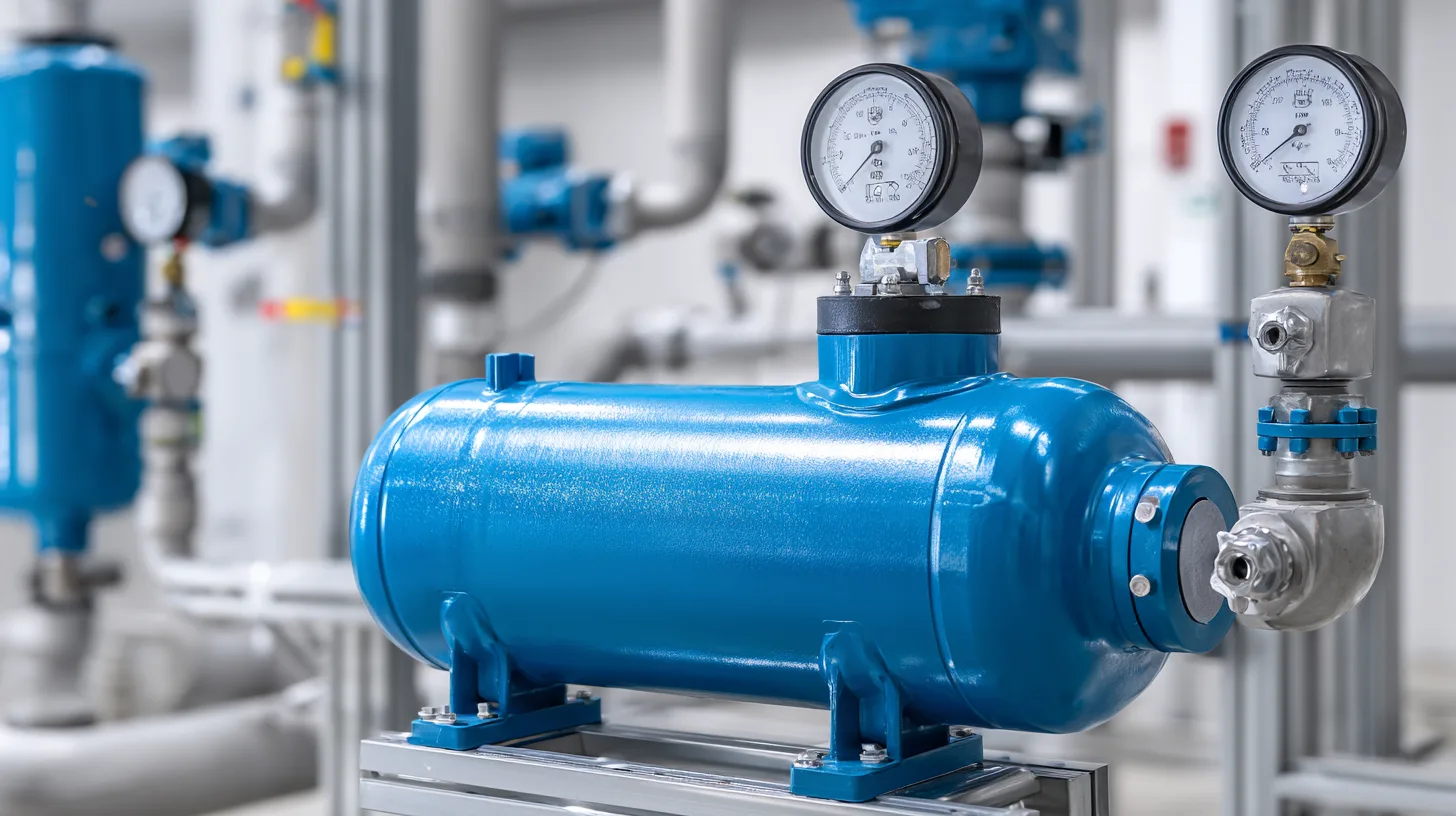
A lift station is a pump in a pit with an alarm on top. Hillsborough County lists the parts a board should recognize on an invoice: "a wet well, pumps and floats, discharge piping, an electrical control panel, pump switches, and high-level emergency alarms" (Hillsborough County, 2026). The wet well holds sewage; the floats sense the level; the pumps lift it out; the panel runs them; the alarm warns when they cannot keep up.
Knowing the five parts turns a vendor conversation from opaque to legible. A "float replacement" is the level sensor; a "control panel repair" is the brain; a "pump pull" is the expensive one, lifting a submersible pump out of the well for rebuild or replacement. When a proposal names a part, a board that knows the anatomy can ask whether it is the cheap sensor or the costly pump.
Most communities run two pumps by design, alternating so each shares the load and one covers if the other fails. A board should know whether its station is single or duplex, because a single-pump station has no backup the day its pump dies, and that fact belongs in the risk conversation before it is discovered during a failure.
The alarm panel: what it means and who to call
The alarm exists for one reason, and Hillsborough County states it directly: "The alarm system is in place to warn you of elevated water levels and/or a possible overflow" (Hillsborough County, 2026). It means the well is filling faster than the pumps are emptying it, and the county's instruction is equally blunt: "Do not ignore the alarm!" A silenced alarm is a countdown to sewage surfacing.
The stakes are why the alarm is not a nuisance light. The EPA describes what an overflow does: sanitary sewer overflows "can contaminate our waters, causing serious water quality problems, and back-up into homes, causing property damage and threatening public health" (EPA, 2026). In a community, that backup finds the lowest connected fixture, which is some resident's ground-floor shower.
So the board's alarm plan is a phone tree, not a mute button: a posted emergency contact, a maintenance vendor who answers after hours, and a resident-facing number so whoever hears it first reaches the right people. Hillsborough County advises posting "a sign for an emergency contact where it can be seen by the public" (Hillsborough County, 2026). The worst version of this failure is the alarm nobody was assigned to answer.
The inspection rhythm that prevents the 2 a.m. overflow
Overflows are mostly preventable, because their causes are mostly known. The EPA lists them: "blockages, line breaks, sewer defects that allow stormwater and groundwater to overload the system, power failures, improper sewer design, and vandalism" (EPA, 2026). A maintenance rhythm exists to catch the first two before they become the overflow.
The routine work is unglamorous and cheap relative to a failure: inspect the floats and panel, exercise the pumps, and clean the wet well on a schedule. Hillsborough County is specific about the enemy: grease and debris "shorten the life... of the pumps that move the wastewater and can interrupt the floats from signaling the pumps to turn on" (Hillsborough County, 2026), so resident education about what goes down the drain is part of the station's maintenance, not separate from it.
Power failure is the Florida wildcard the inspection cannot fix but the board must plan for. A station without backup power stops pumping the moment the grid does, during exactly the storms that also send stormwater into the system, and whether the community has a generator or a generator connection point is a board-level question our storm-season guidance treats as non-optional here.
What maintenance contracts actually cover
Lift station contracts vary more than boards expect, and the gap is usually between routine service and the expensive events. A base contract typically covers scheduled inspection and wet-well cleaning; what it may exclude is the pump pull, the panel rebuild, and the emergency after-hours call. The cost drivers are the number of pumps, the well's condition, cycle frequency, and whether a visit is scheduled or an emergency.
The questions that separate proposals: does this cover pump removal and rebuild or only inspection; what is the after-hours emergency rate; how fast is the guaranteed response when the alarm sounds; and are parts included or billed on top. A cheaper monthly number that excludes the pump pull is not cheaper the month a pump fails.
A board should also ask for the service records to travel with the contract. A station's maintenance history, the float ages, the last wet-well cleaning, the pump run-hours, is the data that predicts the next replacement, and it is worth more than any single visit. A vendor who tracks and hands over that history is managing the asset; one who only answers alarms is renting you time.
The reserve line item nobody budgets
A lift station's pumps and panel wear out on a schedule, so their replacement belongs in the reserve study, not in a surprise special assessment. Florida has tightened reserve funding for condominium associations, and for budgets adopted on or after December 31, 2024, owners can no longer vote to waive or underfund the reserves tied to a structural integrity reserve study (Florida DBPR, 2026).
One honest scope note: a lift station is a routine-reserve item, not one of the eight structural components a SIRS specifically names. The point is the culture, not the category. Florida made reserve underfunding harder for a reason, and a mechanical asset that fails predictably is exactly what reserves exist to catch before the failure lands as a lump-sum bill on every unit.
How your association funds this asset is a conversation for your reserve specialist and your counsel, not a plumber. What a plumber can tell you is the physical truth the reserve number should reflect: pumps and panels are wearing parts with finite lives. Water damage and freezing already produce a property claim in about one in 60 insured homes in an ordinary year (Insurance Information Institute, 2026), and an unfunded lift station turns one community's bad night into a levy on everyone.
This article, answered
The questions readers ask about this topic, answered the way an answer engine would. No forms, no sales pitch.
JAMIE KLONCZ · GREAT HERON PLUMBING ONLINE Pick a question on the left, or search above. You will get the direct answer, the way an answer engine would give it.
PUBLISHED September 3, 2026 · WRITTEN BY JAMIE KLONCZ, FOUNDER · GREAT HERON PLUMBING