
Descale, Reline, or Replace: Choosing a Fix for Cast Iron Drains in Naples
Cast iron pipe repair in Naples comes down to three options that fix three different problems: descaling restores the opening through a pipe that is still sound, relining builds a new pipe inside one that is failing, and replacement removes a pipe that is past either. The choice is decided by the pipe's measured condition, not by which service a company happens to sell. Homes on streets built before the mid 1970s are squarely in the cast iron era (Revolution Florida, 2026), which is why this decision keeps arriving in Naples Park and Old Naples kitchens.

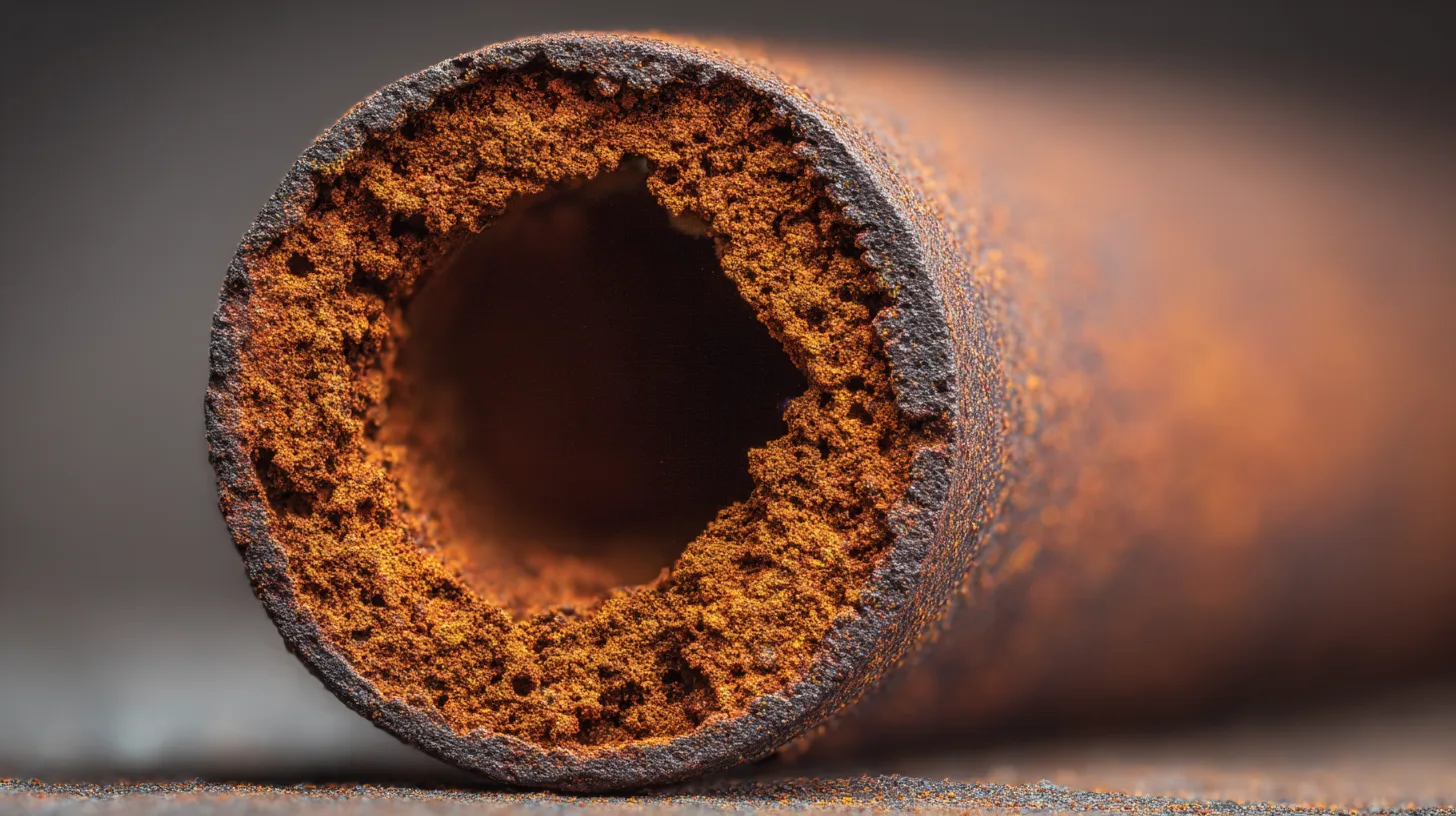
Descaling grinds years of rust buildup off the inside wall of a cast iron drain to restore its diameter. Cured-in-place pipe relining, or CIPP, inverts a resin-saturated liner through the old pipe and hardens it into a new jointless pipe inside the old one. Replacement removes the cast iron and installs new PVC. Each addresses a different stage of the same corrosion process, and choosing between them without a camera inspection is guessing.
What each method physically does
Descaling is subtraction: chains or brushes remove the rust scale narrowing the pipe, leaving the original wall. Relining is addition: a new structural liner cures inside the old pipe, sacrificing a little diameter for a jointless interior. Replacement is substitution: the cast iron leaves the building. None of the three converts into another later without redoing work.
The distinction that matters is what each method does to the pipe wall. Descaling exposes it: after the scale comes off, the camera sees the true condition of iron that may be thinner than it has been in seventy years. Relining depends on it: the old pipe becomes the mold for the new one, so it must hold its shape. Replacement ignores it, which is exactly why it is the answer once the wall is gone.
That is also the order of escalation. A descaled pipe can be relined later. A pipe too far gone to hold a liner can only be replaced. The one-way nature of that ladder is why the diagnosis step below matters more than the method debate.
The condition test that decides
The decision is made by a camera inspection after cleaning, not before. Scale hides the wall, so a camera pushed through a dirty pipe reports the condition of the rust, not the iron. Clean first, inspect second, decide third. Any quote for relining or replacement written without that sequence is a quote for the average pipe, not yours.
Here is the position we hold that some vendors will not: descaling is diagnosis preparation at least as much as it is a repair. What the camera finds afterward sorts pipes into the three columns of the table below: sound wall with scale, compromised wall with shape, or lost structure.
Bellies, separated joints, and collapsed sections fail the reline test regardless of what the rest of the run looks like, because a liner cannot correct grade or bridge a void it has nothing to cure against. This is checkable on the recording, and you should ask to watch it. A contractor who will not show you the video is asking you to buy the average.
The decision at a glance
Choose descaling when the wall is sound and the problem is diameter. Choose relining when the wall is compromised but the pipe holds its shape and grade. Choose replacement when there are collapses, bellies, or lost structure that a liner cannot bridge. The camera recording, not the sales pitch, tells you which row you are in.
| Fix | What it actually does | Right when | Wrong when |
|---|---|---|---|
| Descaling | Removes rust scale to restore diameter and expose the wall for inspection | Wall is sound; backups come from buildup narrowing the pipe | Wall is thin or holed: cleaning a failing wall just removes what was sealing it |
| CIPP relining | Cures a new jointless pipe inside the old one; vendors in the Naples market warrant liners for up to 50 years (Naples Trenchless, 2026) | Wall is compromised but the pipe keeps its shape and grade | Bellies, collapses, or separated joints: a liner cannot fix grade or bridge voids |
| Replacement | Removes the cast iron and installs new PVC, under slab or rerouted | Structure is lost, or repeated failures make piecemeal fixes uneconomic | The pipe is sound and only dirty: full replacement of a serviceable pipe buys disruption, not function |
If the camera shows clean walls behind heavy scale, choose descaling, because you would be paying to replace a pipe that still works. If the camera shows wall loss but true grade, relining makes sense, because it preserves the floors and adds a jointless interior that Naples roots and soil cannot re-enter. If the camera shows a belly or a collapse anywhere on the run, plan on replacing at least that section, because every dollar spent lining around it is spent twice.
One more trigger that overrides the table: if the same line has been descaled repeatedly and the intervals between backups keep shrinking, stop buying maintenance and get the structural answer. Shrinking intervals are the wall telling you where this is going.
Where each choice goes wrong
Descaling fails when it is sold as a cure for a structural problem: the cleaning is real, the relief is real, and the wall keeps corroding underneath. Relining fails when it is applied to a pipe that could not pass the shape test. Replacement fails mostly by being premature: the most expensive fix applied to a pipe that needed the cheapest one.
The pattern behind all three failures is the same: the method was chosen before the pipe was measured. Reline specialists quote relines. Excavation contractors quote digs. That is not dishonesty so much as what their trucks carry, and it is why the inspection has to be independent of the sale wherever possible.
Whoever does the work, verify the license before signing anything; Florida's contractor database is public and takes a minute to search (Florida DBPR, 2026). An unlicensed bargain on structural drain work is how a five figure problem becomes a six figure one.
What Naples-era housing changes
The age of your street predicts what the camera will find. Streets paved before the mid 1970s put cast iron drains under Naples Park, Old Naples, and the older Gulf-side blocks (Revolution Florida, 2026), so those homes are deciding between these three fixes as a class. Newer construction drains in PVC and rarely faces this choice at all.
Era matters for a second reason: concentration. When one house on a 1950s block has descaled twice and relined once, its neighbors are usually a few years behind on the same curve, which is worth knowing before you buy on one of those streets. Our cast iron failure guide covers the symptoms and timeline in depth; the pre-purchase version of this decision gets its own treatment in the sewer scope guide.
The honest summary: in older Naples housing the question is rarely whether the cast iron is corroding. It is which stage the corrosion has reached, and the three fixes exist because the answer differs pipe by pipe. Buy the diagnosis first. The fix follows from it.
This article, answered
The questions readers ask about this topic, answered the way an answer engine would. No forms, no sales pitch.
JAMIE KLONCZ · GREAT HERON PLUMBING ONLINE Pick a question on the left, or search above. You will get the direct answer, the way an answer engine would give it.
PUBLISHED August 13, 2026 · WRITTEN BY JAMIE KLONCZ, FOUNDER · GREAT HERON PLUMBING